
Home » Fire Shutter Inspections in Ontario: A Building Owner’s Checklist
Fire Shutter Inspections in Ontario: A Building Owner’s Checklist
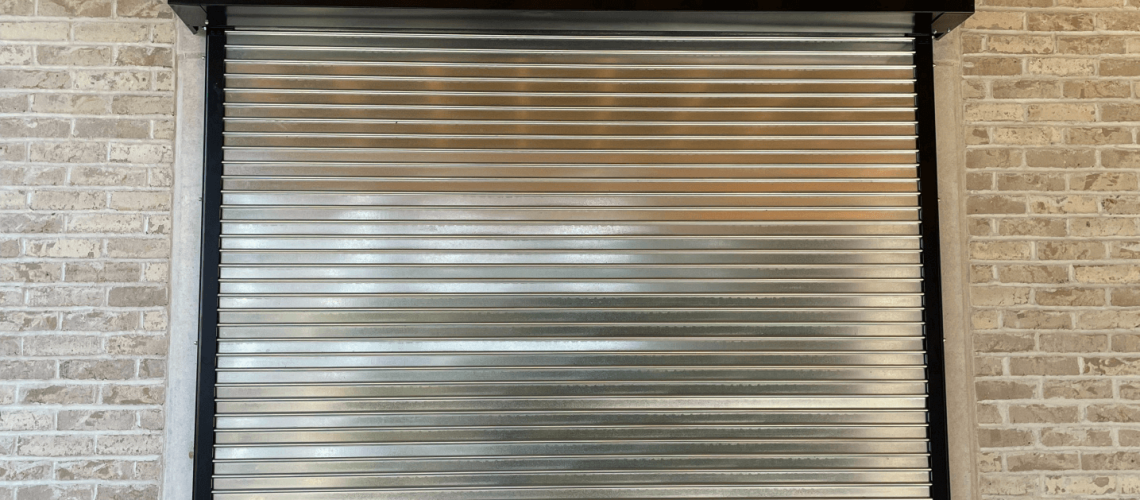
Picture this. The fire inspector arrives tomorrow morning and your facility manager opens the maintenance log, scrolls back one page, then another, and realizes nobody’s touched the fire shutter above the loading bay in over a year. Nobody tested it. Nobody knows where last year’s paperwork went. If that scenario makes your stomach drop, you’re not alone. You know the shutter matters and you also know that the paperwork matters. What you don’t have is a clear system, and you deserve one. The real enemy in this scenario is confusion, not you. The right checklist puts you back in the driver’s seat.
Fire shutter inspection rules in Ontario exist to keep a fire separation doing its job when it matters most. In this article we walk you through who’s responsible, how often shutters should be checked, a practical owner’s checklist, what the annual drop test looks like and which records to keep on file.
Once you lock in a schedule that works for your building, record it in your approved fire safety plan so nobody has to guess.
Key Takeaways
- Building owners are responsible for keeping fire shutters operable at all times.
- Staff can do visual checks, but annual testing needs a qualified technician.
- Anything blocking, wedging or altering a shutter is a code problem.
- A failed shutter should be repaired and re-tested, not ignored.
- Written records are what a fire inspector will ask to see first.
What Ontario Building Owners Are Responsible For
In plain terms, you must keep every fire shutter working, unobstructed and in good repair, and you must be able to show it on paper. The Ontario Fire Code (O. Reg. 213/07, Division B) addresses closures in fire separations. Closures must be operable at all times, must not be obstructed, blocked, wedged open or altered, and damaged closures must be repaired so the fire protection rating stays intact. NFPA 80, the standard widely used for fire doors and other opening protectives, guides the inspection and testing side. Your local fire department is the authority having jurisdiction and enforces the Fire Code on the ground. Requirements vary by building, occupancy and municipality, so confirm the specifics with your local fire department or a code consultant. Commercial security shutters are not rated fire assemblies, and that distinction matters when you set up your inspection schedule.How Often Should Fire Shutters Be Inspected?
Short answer: inspect visually on a regular schedule, test operation as the manufacturer or your approved fire safety plan requires, and confirm your applicable annual inspection and drop-test obligations with the authority having jurisdiction.| Check | Typical Frequency | Who Does It |
| Visual check of opening and curtain | Regularly, such as monthly (recommended practice) | Facility staff |
| Operational or release check | As the manufacturer and fire safety plan require | Qualified technician |
| Full inspection and drop test | Typically annually under NFPA 80; confirm applicability | Qualified technician |
| Inspection after repair or alteration | After any maintenance or damage | Qualified technician |
The Building Owner’s Fire Shutter Checklist
Use this as a visual checklist only. Don’t trigger, test or climb under a shutter. Report anything that looks off to a qualified technician the same day.The Opening and Surroundings
- Floor and travel zone clear on both sides
- No storage, pallets or equipment near the opening
- No wedges, ties or hold-open devices that aren’t approved
- Nothing fixed to the curtain, hood or guides
- Warning signs and labels visible and legible
Curtain, Guides, Hood and Bottom Bar
- Bent, torn or missing slats
- Dents or damage to guides and hood
- Loose or missing fasteners
- Signs of impact, corrosion or rubbing
- Bottom bar straight and undamaged
Release and Closing System
- Fusible links present, clean and not painted over
- Release arm or cable free and not tied back
- Alarm connection and wiring intact after any renovations
- Motor, controls and backup battery in good condition where fitted
- Any trouble signals or unusual noises logged and reported
Labels, Records and Paperwork
- Listing label present and legible
- Last inspection and drop test report on file
- Repair records with parts used
- Approved fire safety plan lists the shutter
- Current contact details for the service provider
What Happens During an Annual Inspection and Drop Test
A qualified technician inspects the whole assembly, tests its operation, releases the shutter to confirm it closes fully, then resets it to confirm it’s ready for the next event. Here’s the general flow. The area is cleared and access is blocked on both sides before anything moves. The technician completes a pre-test visual inspection and corrects obvious problems first. An operational test follows, then the release and full closure. The system is reset and released a second time to confirm the closing system cycles properly (confirm against the current NFPA 80 edition). A final condition check wraps up the visit, and you get a written report. One safety note worth repeating: staff should never perform drop tests. Even a well-maintained shutter is heavy, and a release isn’t a drill you want to improvise.Common Problems Found During Fire Shutter Inspections
- Storage, bins or vehicles blocking the opening
- Release arm tied back or blocked
- Fusible links painted over, damaged or missing
- Guides or slats damaged by forklift or dolly impact
- Alarm interface disconnected during a renovation and never reconnected
- Weak or failed backup batteries
- Missing listing labels or missing inspection records
What to Do If a Fire Shutter Fails an Inspection
Treat the opening as unprotected until it’s repaired and re-tested. That’s the mindset to adopt from the moment the deficiency is logged. Carrying the quiet worry that your building is non-compliant, or that your insurer could point to a lapse after an incident, is a weight no owner should bear longer than they have to. From there, report the failure and document it. Follow your approved fire safety plan and the direction of your local fire department for any interim measures. Repair the shutter using compatible parts from the original manufacturer where possible, re-test, and record the result. If the fire department has issued a written order, don’t ignore it. For damage that needs hands-on attention, our team handles roll up shutter repair across the GTA.Records to Keep for Your Fire Shutters
- Door identification and location
- Inspection and drop test dates with the name of who performed them
- Results of each stage and any deficiencies noted
- Repairs completed, parts used and re-test results
- Next test due date
When to Call a Qualified Technician (and How ROLLerUP Can Help)
Call a technician whenever the shutter won’t close, shows damage, was altered during construction or is due for its annual test. Watch for slow or incomplete closing, damaged slats or guides, strange noises, recent renovation work near the opening, or no records on file at all. Not knowing where you stand is the worry that keeps facility managers up the night before an inspection, and you don’t have to carry that alone. ROLLerUP supplies, installs and services fire shutters across the GTA and southern Ontario, with an in-house installation team based in Newmarket. Ongoing maintenance visits are booked through our service team.Stay Inspection-Ready, Year After Year
Fire shutter inspection Ontario compliance comes down to four habits: check visually on a schedule, follow the required annual testing, repair quickly when something fails and keep clean written records. Do those four things, and the inspector’s visit stops being a stressful event and becomes a routine conversation. Ready to get your shutters inspection-ready? Get an Estimate today, call 647-371-0317 or email sales@rollerup.ca to book your service visit.
Facebook
Twitter
LinkedIn
Pinterest